


The average human body contains about five liters of blood, which is made of several cellular and non-cellular components such as Red blood cell, Platelet, and Plasma.
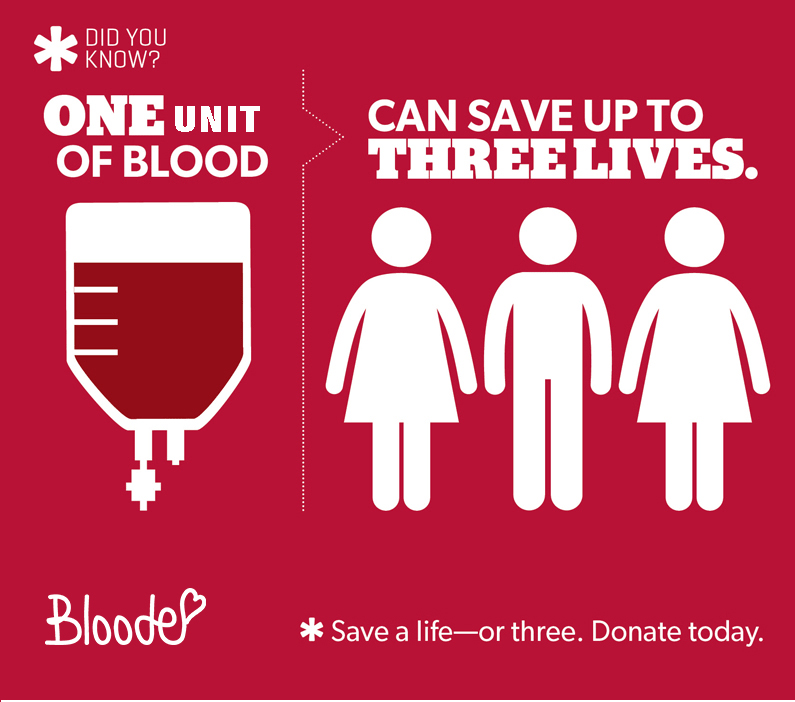
Each type of component has its unique properties and can be used for different indications. The donated blood is separated into these components by the blood centre and one donated unit can save upto three lives depending on the number of components separated from your blood.
It is a mixture of pale yellow coloured fluid called plasma and cells Red Blood Cells, Different types of White Blood Cells, and platelets.
Age at 18 to 60 years, weight minimum 50 kg, Haemoglobin – 12.5 g/dL, platelet count 1.5 lakh/cmm, and healthy individual
Poly-trauma, major blood loss, exchange transfusion
Whole blood lasts for 35 days, red cells can be stored for 35/42 days depending on anticoagulant/preservative used
Males can donate every 90 days (four times in a year), females can donate every 120 days (thrice in a year)
It is pale yellow coloured fluid. Plasma contains water up to about 92% while remaining 8% is occupied by protein, carbohydrate, fat, electrolytes, hormones, vitamins etc. amongst other nutrients. It is also a carrier for cells.
Age 18 to 60 years (for first time whole blood donor and apheresis donor), 18-65 years (for repeat whole blood donor) weight minimum 45 kg (for whole blood donation), 50 kg (for apheresis) Haemoglobin – 12.5 g/dL, healthy individual.
Severe burns, shock, liver diseases
One year at at- 30° C
about one hour
Twice a month (24 times in a year)
Plasma is separated from blood in machine and collected in a bag, and rest blood is returned to you.
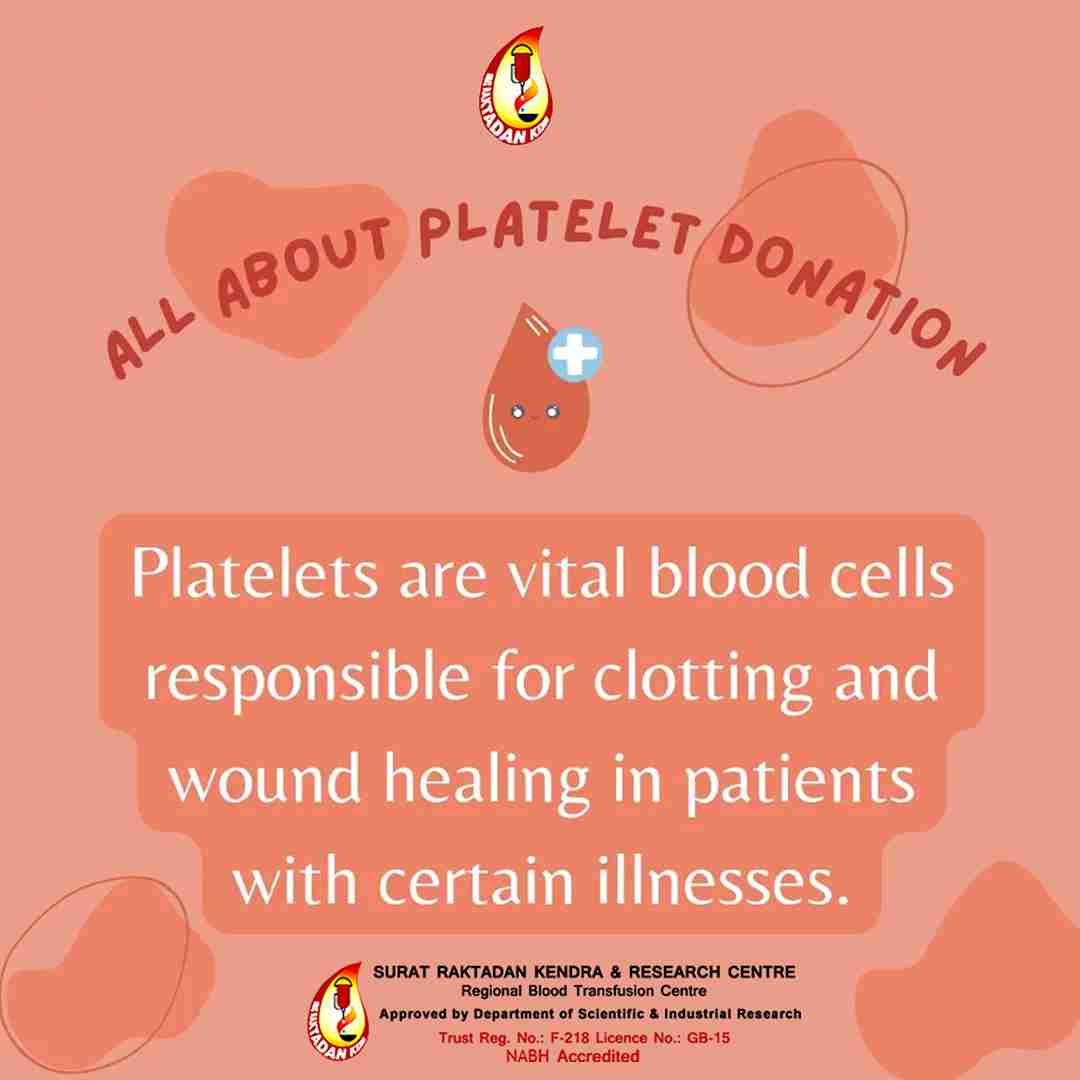
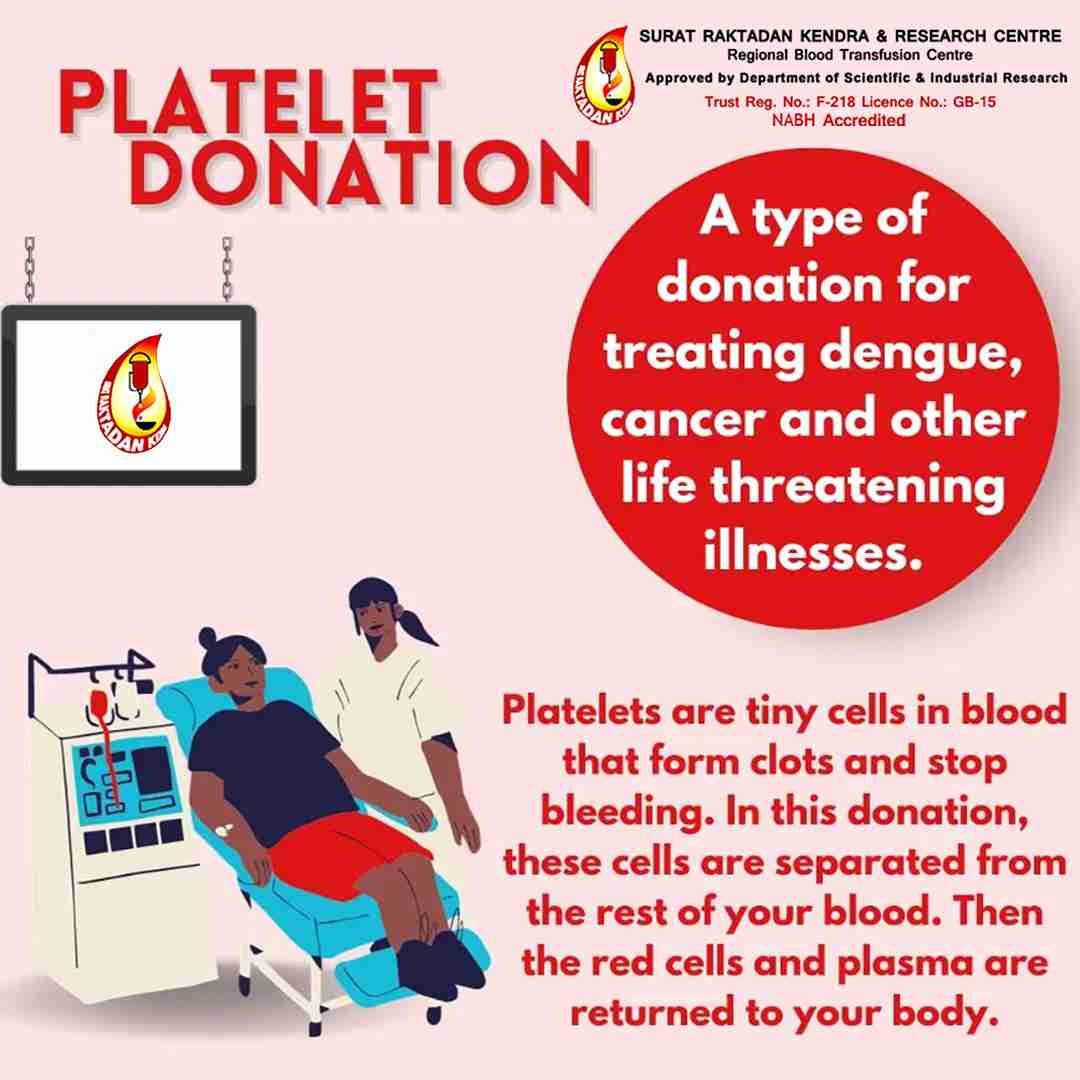
Platelets help in clotting of blood thereby help stop bleeding in case of injury.
Age 18 to 60 years, weight minimum 50 kg, Haemoglobin – 12.5 g/dL, platelet count 1.5 lakh/cmm, and healthy individual
Platelets are needed in various cancers (primary or secondary) like leukaemia, or when there is bleeding or fear of impending bleeding in conditions where platelet count is low like dengue fever, leptospirosis etc., bone marrow depression due any reason like chemotherapy, radiotherapy, hematological malignancies (blood cancers).
Five days (to be stored at 20°C to 24° C and in continuous agitation)
About one hour
Twice a month (24 times in a year)
Platelets are separated from blood in machine and are collected in a bag, and rest blood is returned to you.
True generosity is not measured by the magnitude of the gift, but by the lasting impact it leaves upon the hearts of the community. Your contribution is a cornerstone of our progress.
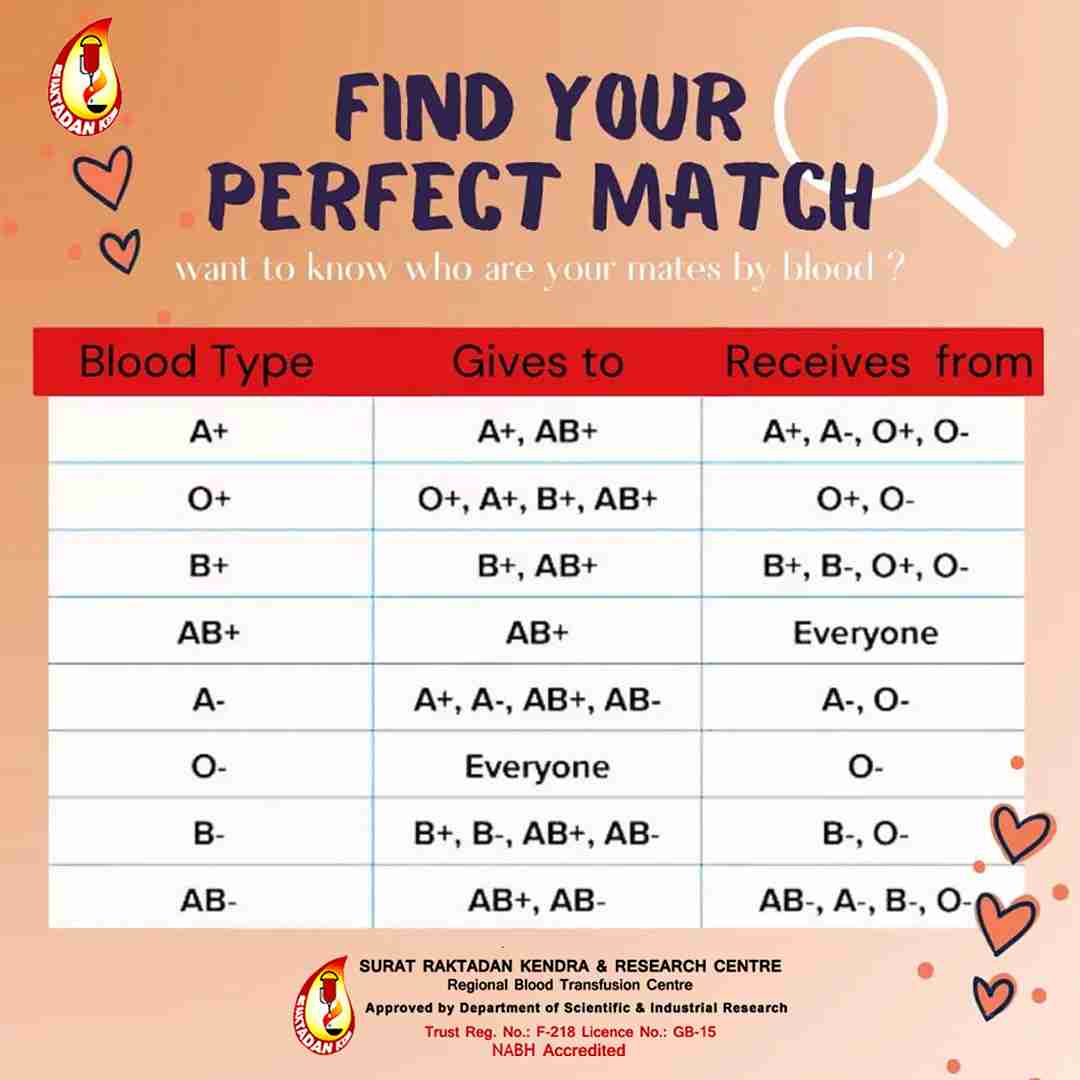
| Compatible Blood Type Donors | |
|---|---|
| Patient's Group | Acceptable Alternate Groups |
| A Rh(D) Positive | O Rh(D) Positive O Rh(D) Negative |
| A Rh(D) Negative | O Rh(D) Negative |
| B Rh(D) Positive | O Rh(D) Positive O Rh(D) Negative |
| B Rh(D) Negative | O Rh(D) Negative |
| AB Rh(D) Positive | A Rh(D) Positive A Rh(D) Negative B Rh(D) Positive B Rh(D) Negative O Rh(D) Positive O Rh(D) Negative |
| AB Rh(D) Negative | A Rh(D) Negative B Rh(D) Negative O Rh(D) Negative |
| O Rh(D) Positive | O Rh(D) Negative |